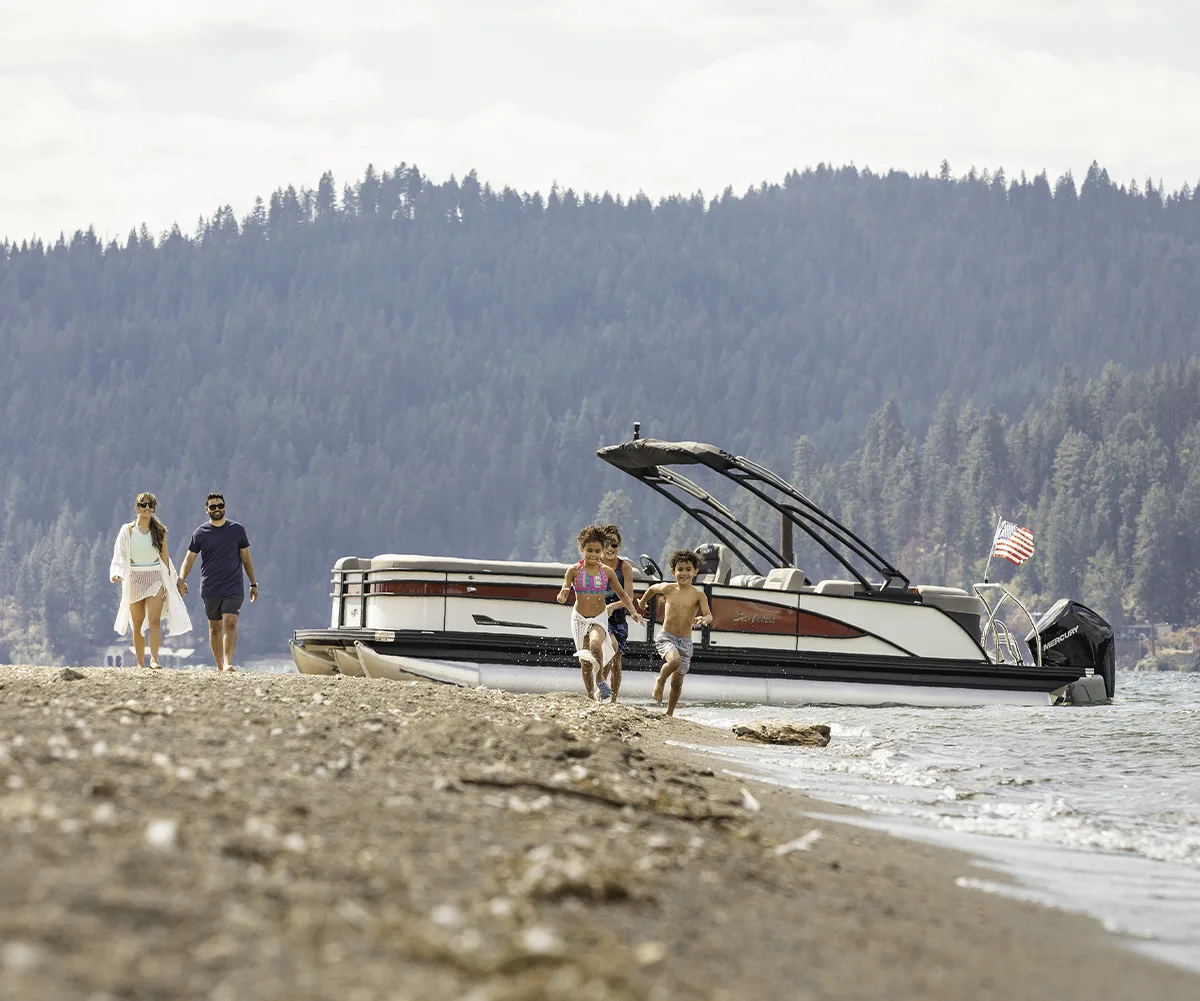


That’s why Barletta and the Winnebago Industries Foundation have partnered with Leave No Trace, a nonprofit organization with a decades-long track record of successful environmental stewardship. Leave No Trace promotes responsible outdoor practices to protect natural spaces for future generations, aligning with the Winnebago Industries Foundation’s commitment to sustainability and outdoor enjoyment. Together, both hope to empower people to enjoy and preserve the waters we love and strengthen communities that thrive around them.

- Know the regulations and permit requirements for your activities, including carrying adequate PFDs for all passengers.
- Learn the meaning of channel and zone markers and understand the rules that apply across all zones.
- Check the charts, weather, and tides before each outing.
The first, and arguably the most essential principle of Leave No Trace is to always, “Plan Ahead and Prepare.” For boaters, that means a commitment to protecting your vessel, your passengers, and other boaters by carrying required safety equipment, checking weather forecasts, and inspecting your boat before every outing.
If you’re hoping for solitude, plan your trip to avoid peak times to maximize your enjoyment. Some areas require boaters to carry approved communication devices, and it’s always a good idea to let someone know where you are going and when you expect to be back.
- Avoid anchoring on hard bottoms or in seagrass, and use mooring buoys when available.
- Stay in navigable waters or operate slowly and use a depth finder.
- Respect fragile marine features such as lily beds, aquatic plants, and corals.
Whether we are walking, riding, driving, or boating, our travel can impact the ground beneath us. Some surfaces are more easily damaged than others. Because of this, we want to choose the most durable surfaces for setting boat anchors and, if possible, avoid contact with vegetated areas. When entering and exiting waterways, stick to designated boat ramps whenever possible, or choose durable spots such as gravelled shorelines that won’t be easily damaged.
Motorized watercraft use fuels and carry substances that can harm wildlife and water quality if pollutants get into the water, so it’s essential to take steps to prevent damaging spills. Use absorbent pads or other fuel capture devices when fueling to avoid spills, and don’t overfill fuel tanks. Accidents happen, but be sure to report any oil, chemical, or hazardous-waste spills to the appropriate authorities.
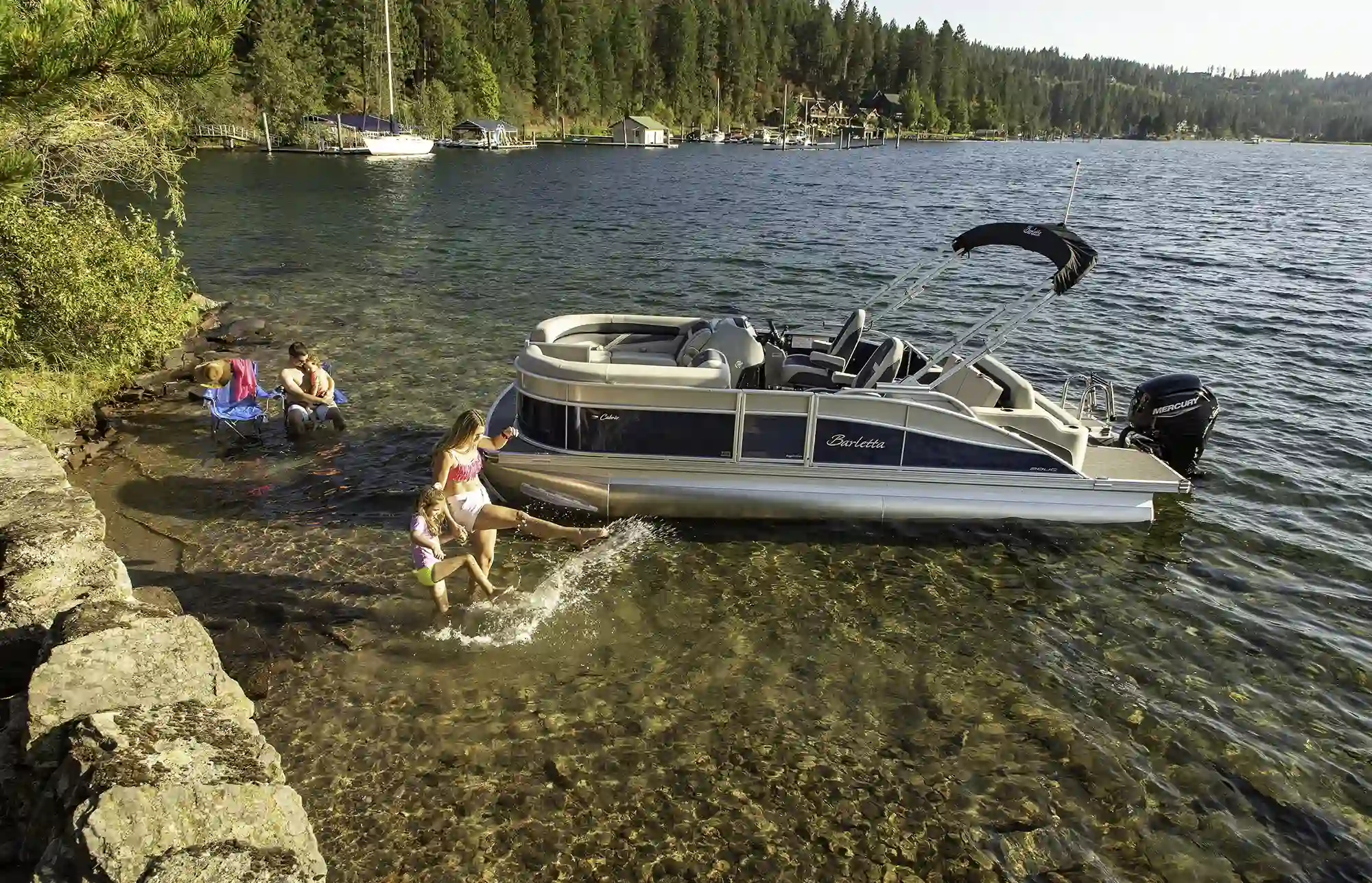
- Trash is one of the greatest threats to marine wildlife. Pick up litter and recycle when possible.
- Secure the trash and use the built-in boat features to keep it from blowing overboard.
- Avoid single-use plastics. Choose reusable items and use fewer disposable ones.
“Pack it in, pack it out” is a familiar saying that applies to any outdoor setting: Whatever you bring into a natural area, you will also need to carry out. Anyone who spends time outdoors has a responsibility to clean up before leaving. Check the beach, picnic areas, or rest areas used along a trail for trash or spilled food. Pack out all trash and garbage, including food waste, leftover food, crumbs, and wrappers.
Anglers have special responsibilities regarding the disposal of waste and garbage. They use equipment that is both unsightly and potentially deadly to fish and wildlife. The most obvious and critical example is monofilament fishing line. An angler who strips off a few feet of tangled monofilament from their reel needs to be exceedingly careful not to leave the line behind where an animal or bird might become fatally entangled.
- Clean watercraft, fishing, scuba, snorkeling, and other gear after every trip.
- Never discard or release live bait.
- Take only pictures and leave only bubbles while swimming, diving, or snorkeling.
While some areas require catch-and-release fishing, other areas may allow us to take fish to eat. In all areas, it is essential to respect the ecosystem, take only what you will use, and minimize the potential spread of invasive species. Check which types of live bait are allowed and take care not to introduce non-native species into water sources or surrounding areas. Pack out all unused bait and dispose of it properly.
If you’re visiting a place with historic buildings, rock art, or other vestiges of the past, observe them but do not touch any cultural or historic structures or artifacts. The old scouting motto to “take only photos and leave only footprints” remains good advice to keep in mind when you’re on the water.