

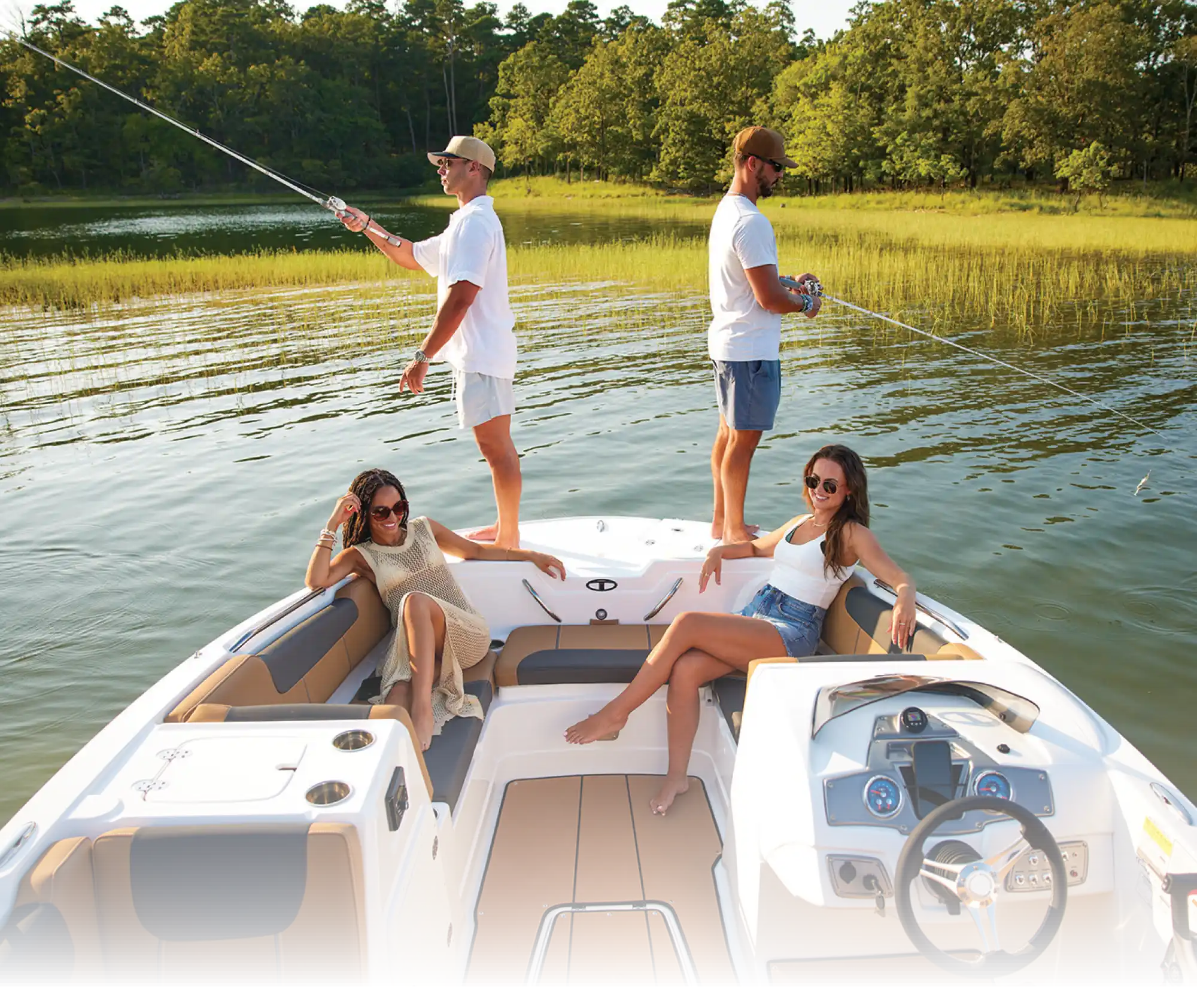


However, another interesting estimate is that approximately 25 percent of the buyers are first-time buyers. For most first-time boater buyers, boat buying is a very emotional purchase; the image of being on the water and enjoying the sunset makes the purchase more about feelings than logic.
That is why we are discussing insurance. Insurance is one major expense that many people overlook. Insurance can be boring, but it is a necessity. Most people call the agent who insures their car. Which is okay in some cases. But if you are looking at expensive, fast, and well-equipped boats (which they all are), a marine insurance specialist might be a better choice. A dedicated marine insurance policy will have special coverage for boats, such as stated or agreed values, coastal territories, and extras coverage that an auto or homeowner’s policy just can’t provide.
Marine underwriters consider several factors when determining insurance premiums. These factors include the size of the boat, its location during storage and use, any additional equipment, and the experience of the boat owner/operator. If you are new to boating, you will likely want to consider a boat that is 26 feet or smaller for your first purchase.
Not surprisingly, the National Marine Manufacturers Association (NMMA) estimates that around 95 percent of the boats on the water are under 26 feet.
The 26-foot market is significant not only for Coast Guard safety requirements but also from an underwriter’s perspective, considering experience and the covered territories. Most marine insurance companies will cover a 26-foot boat up to 50 miles from the coast and will provide insurance for new owners without any special requirements.
If you are based on the coast, the bigger the boat, the further from shore you can travel. The bigger the boat, the more stringent the experience and training requirements become. For example, you may not be able to get insurance as a new owner on a 40-foot boat if you have never owned a boat in the 30-foot range.
- Get out there and boat. Experience helps you move up the boat ladder and influences your insurance rates and requirements.
- Participate in training programs from the Coast Guard or others.
- Regular maintenance can help reduce the cost of ownership and risk of problems. Inspect or have your boat inspected by a qualified marine mechanic at least a couple of times a year.
- Fix things that are broken or in need of repair before someone gets hurt or you get stuck on the water, and you have to make a claim. Claims can affect your rates and your ability to obtain insurance.
- Have a plan to protect or move your boat if bad weather is heading your direction. If bad weather is winter, lay up the boat. Most underwriters offer reduced rates for boats that are not used year-round.
- Securely store your boat by installing theft prevention devices on electronics, outboard engines, outdrives, trailer hitches, and other valuable components.
- Install alarm and safety systems appropriate for your pontoon.
- Keep your supply of charts and data cards up to date and plan your routes to avoid accidental grounding and adverse weather conditions.
- Be a responsible boater and use appropriate Personal Flotation Devices. Don’t drink and boat, and follow the “rules” of the waterway.
In the event of a total loss with “Actual Cash Value” coverage, the boat owner will receive the insured value of the boat or the actual cash value (depreciated value), whichever is less. For example, if you have your boat insured for $75,000 and suffer a total loss, the depreciated value of your boat may be only $65,000; in this case, the insurance company will pay the lesser amount.
Sometimes the term “Stated Value” is used. Don’t confuse this with agreed value. Usually, “Stated Value” means that the boat has a value stated on the policy, and the insurance company agrees to pay that value as a maximum amount, but can reduce it due to depreciation or market conditions, etc.
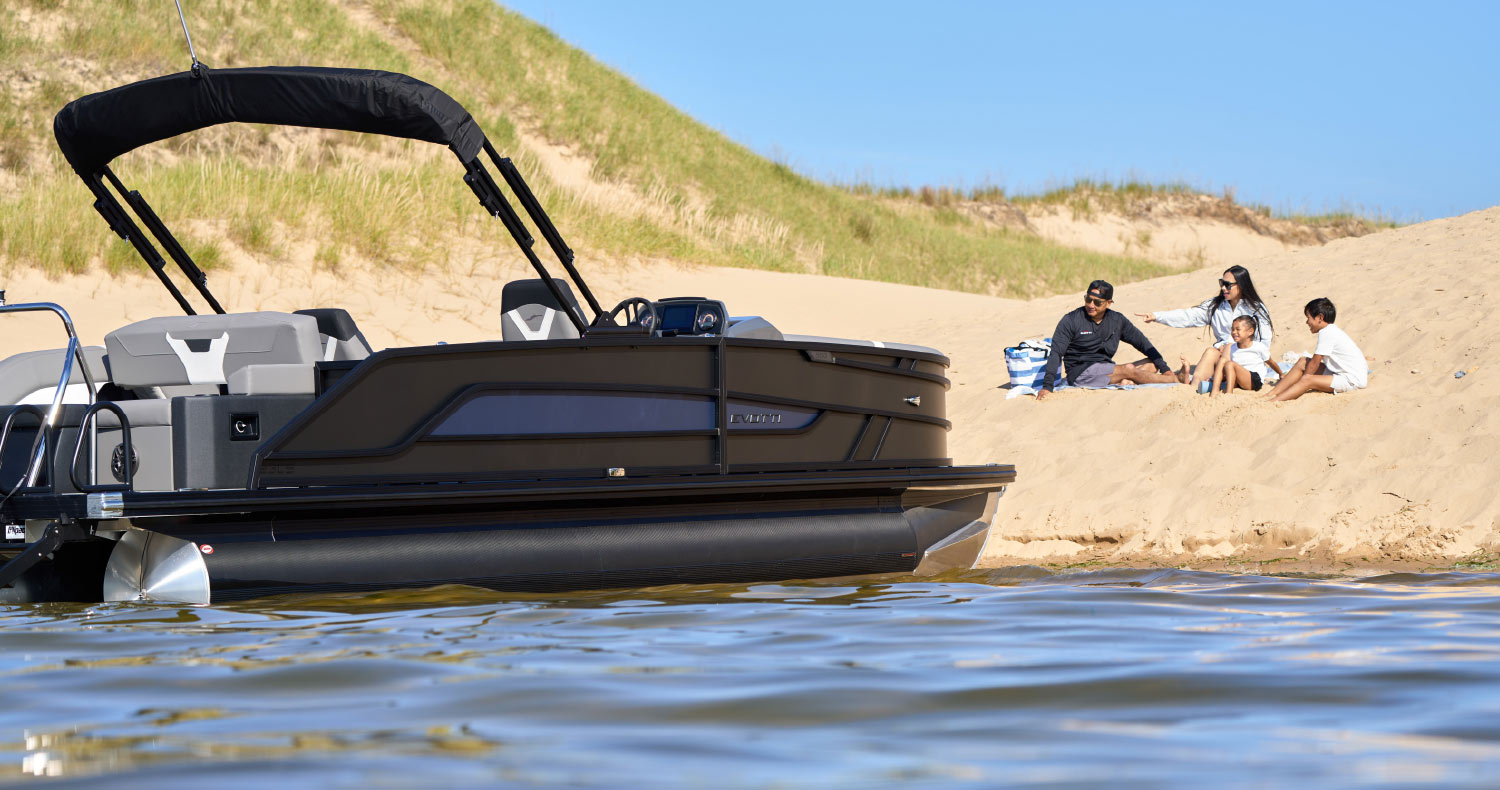
Additionally, medical payment coverage is available for the insured and any friends or family members who are injured while on board the boat, boarding the boat, or departing from the boat.
Towing coverage is another one; it applies to any service charge the insured may incur by receiving marine assistance. This may include coverage for a service charge for towing due to engine failure, mechanical breakdown, grounding, and delivery of fuel.
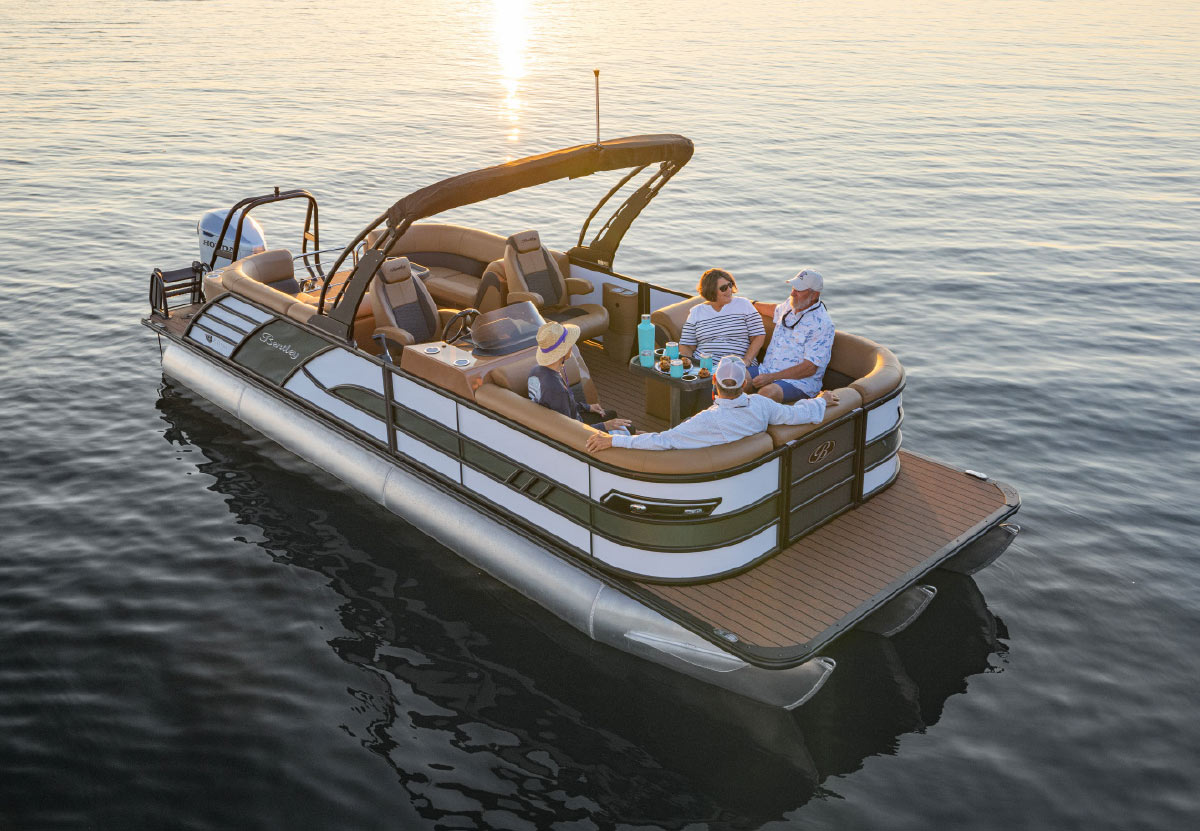
This is just a brief highlight of marine-specific insurance; there is a lot more information that needs to be discussed in a marine policy. Each company has its own unique definitions and limits on coverage. Be sure to contact a qualified marine agent to explain the coverage in more detail. And remember, even if you take all the precautions, accidents still happen. Ensure you have the right coverage for your boat before making a purchase.