

BY DAN ARMITAGE
It’s A Matter Of Weight
Both artificial and natural baits need some help at times to get down to the depth where active fish are feeding. Even lures with built-in weight, such as jigs and blade baits, or those that use angled bills to plane them down into the depths when being trolled or retrieved, can benefit from the addition of weight on the line. Most bottom-fishing anglers count on sinkers to pin their offerings in place, and bobber fishermen use weight on the line to help with casting, natural drifting and setting the bobbers in the proper position to float their baits while alerting the anglers to strikes. Trollers often use streamlined weights fitted with bead chains to eliminate line twist, and drop-shotters place sinkers at the end of their presentations to keep them vertical and offer the angler enough tension on the line to detect light strikes.
Here are a dozen popular sinkers that are frequently used by fishermen, and how and why they are used:

Split Shot
Perhaps the most common fishing sinkers, split shot offer an easy way to add and remove weight from the line in small increments by pinching the pliable weights. Often used under a bobber.
Perhaps the most common fishing sinkers, split shot offer an easy way to add and remove weight from the line in small increments by pinching the pliable weights. Often used under a bobber.
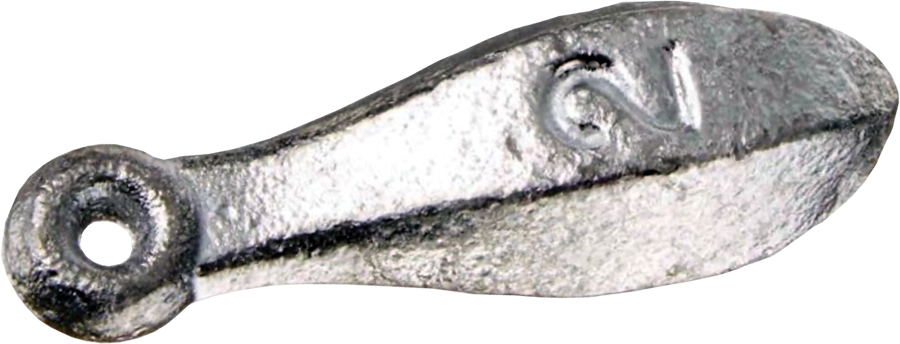
Bank
Used for still fishing in areas of current or wave action to keep bait in place, especially over rocks that would snag a pyramid sinker. Line slides through hole molded into the top.
Used for still fishing in areas of current or wave action to keep bait in place, especially over rocks that would snag a pyramid sinker. Line slides through hole molded into the top.
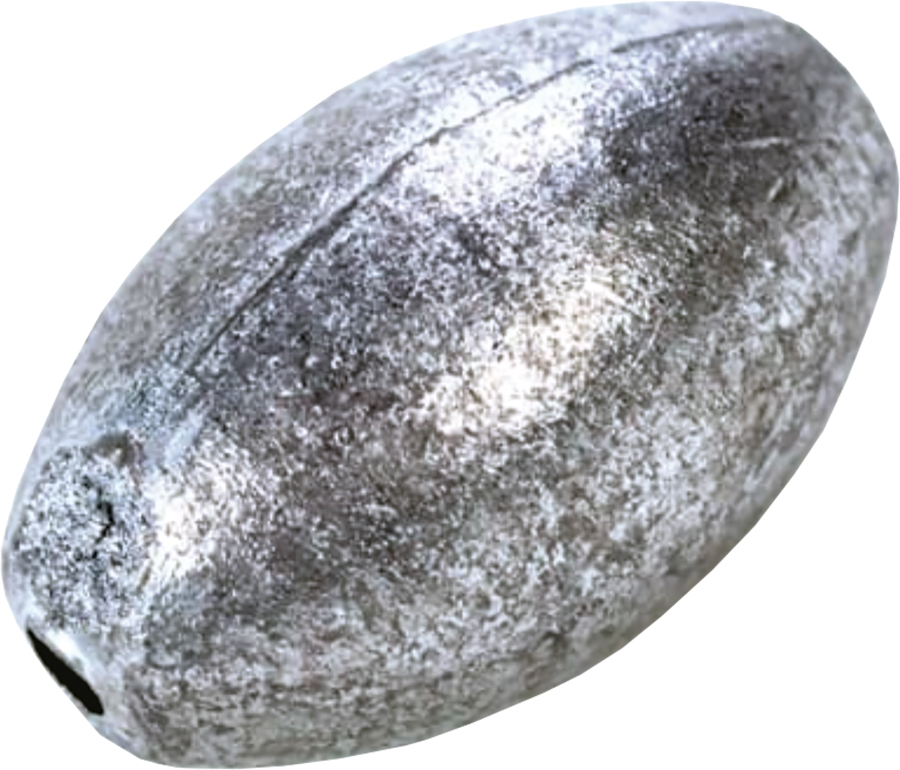
Egg
Used primarily for bottom fishing in waters with little or no current. The line slides through the hole in the center when a fish takes the bait, alerting the angler but not the fish.
Used primarily for bottom fishing in waters with little or no current. The line slides through the hole in the center when a fish takes the bait, alerting the angler but not the fish.

Trolling
Tied between line and leader of trolled baits to add weight and keep the line from twisting via the swivel connections. The lead may also be molded into a keel shape to further avoid line twist.
Tied between line and leader of trolled baits to add weight and keep the line from twisting via the swivel connections. The lead may also be molded into a keel shape to further avoid line twist.
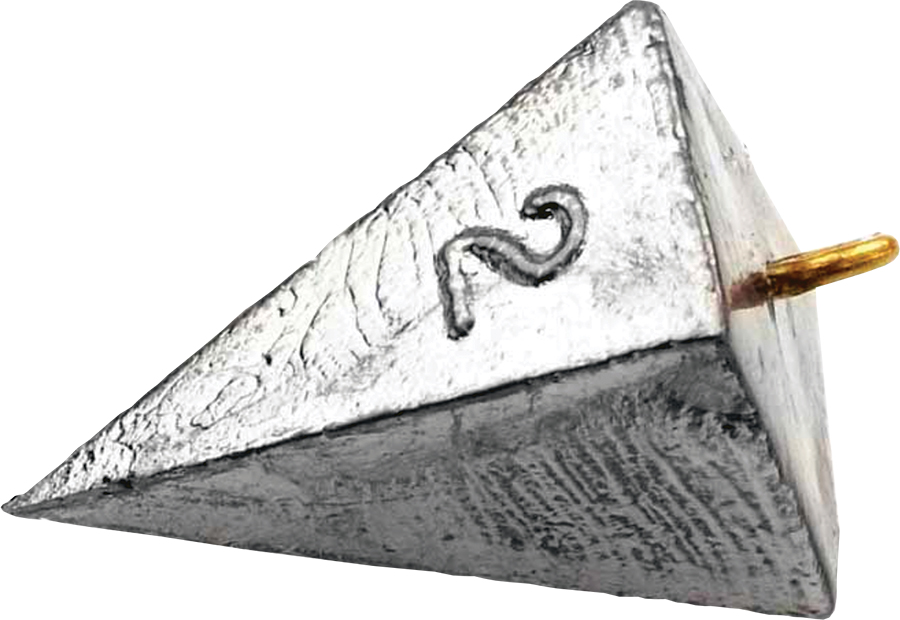
Pyramid
Used for bottom fishing to hold baits in place in waters with significant current or wave action. Line slides through an eye at the top or is tied to the loop with hook(s) above.
Used for bottom fishing to hold baits in place in waters with significant current or wave action. Line slides through an eye at the top or is tied to the loop with hook(s) above.
Clinch
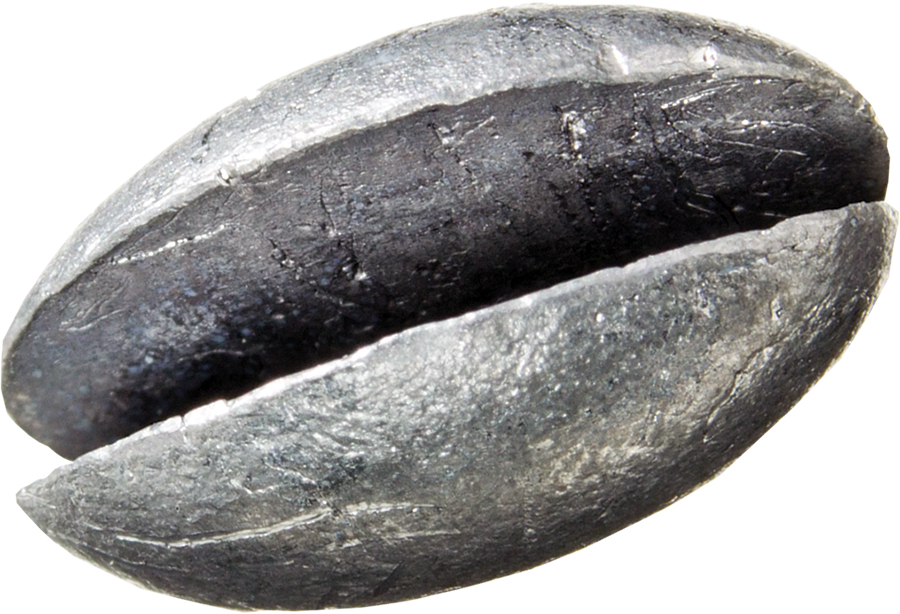
A quick way to add or remove weight by crimping the pliable ears around the line. Must be careful not to nick/weaken the line with sharp edges when applying.
A quick way to add or remove weight by crimping the pliable ears around the line. Must be careful not to nick/weaken the line with sharp edges when applying.

Bullet
Used when casting soft plastic baits in structure such as wood or weeds where the cone shape helps shed snags, often in Carolina or Texas rigging. The line passes through a hole in the center.
Used when casting soft plastic baits in structure such as wood or weeds where the cone shape helps shed snags, often in Carolina or Texas rigging. The line passes through a hole in the center.

Rubber Core
Much like a clinch sinker, a combination of lead and rubber that makes for a quick way to add or remove weight without damaging the line by twisting the rubber insert to secure it in place.
Much like a clinch sinker, a combination of lead and rubber that makes for a quick way to add or remove weight without damaging the line by twisting the rubber insert to secure it in place.
Walking
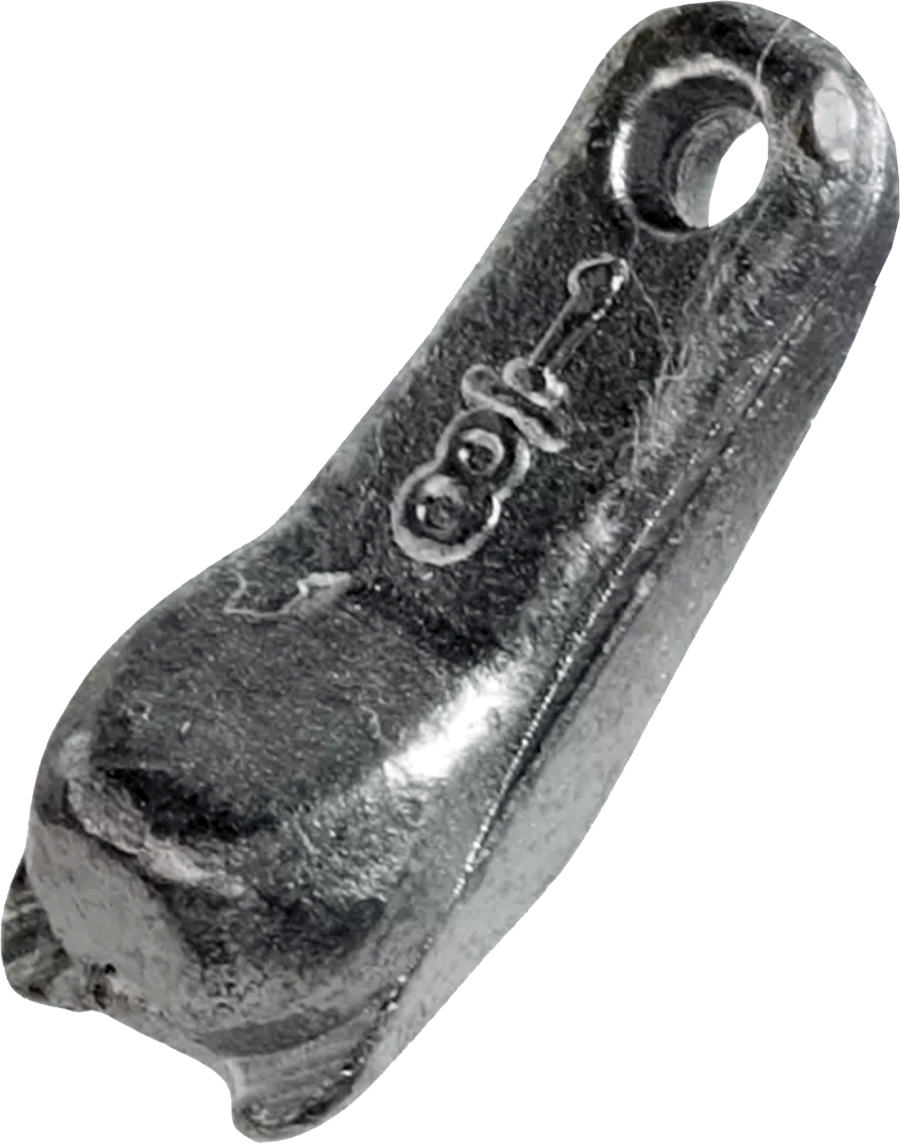
Used for casting, drifting or trolling live bait across the bottom. The line slips through a molded hole and the shape “walks” the rig over structure with minimal snags.
Used for casting, drifting or trolling live bait across the bottom. The line slips through a molded hole and the shape “walks” the rig over structure with minimal snags.
Dipsey
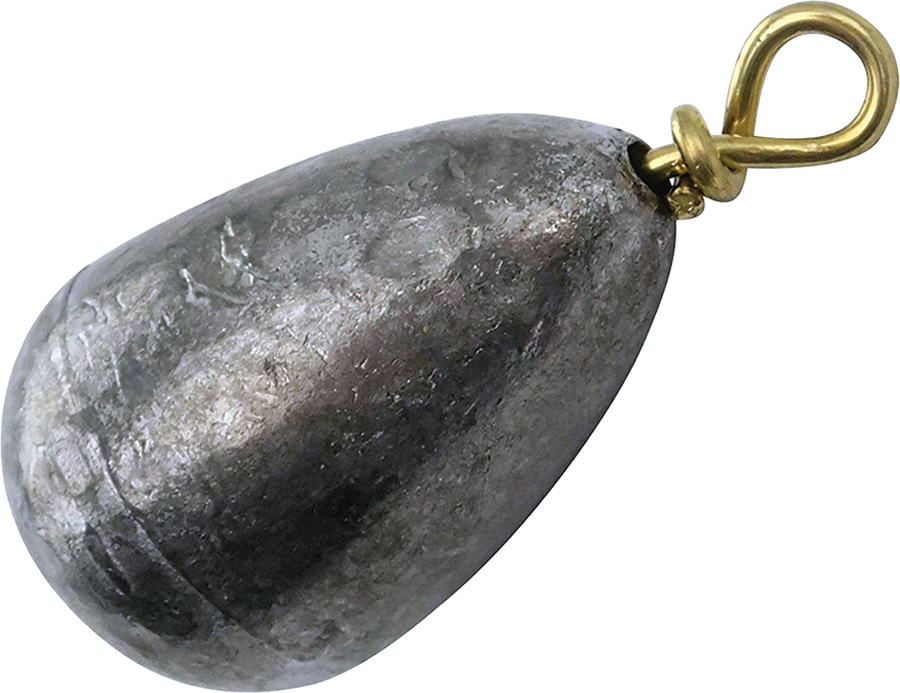
Used for bottom fishing in light current or as an end-of-the-line weight for vertical presentations such as three-way rigs or drop-shotting.
Used for bottom fishing in light current or as an end-of-the-line weight for vertical presentations such as three-way rigs or drop-shotting.
Coin
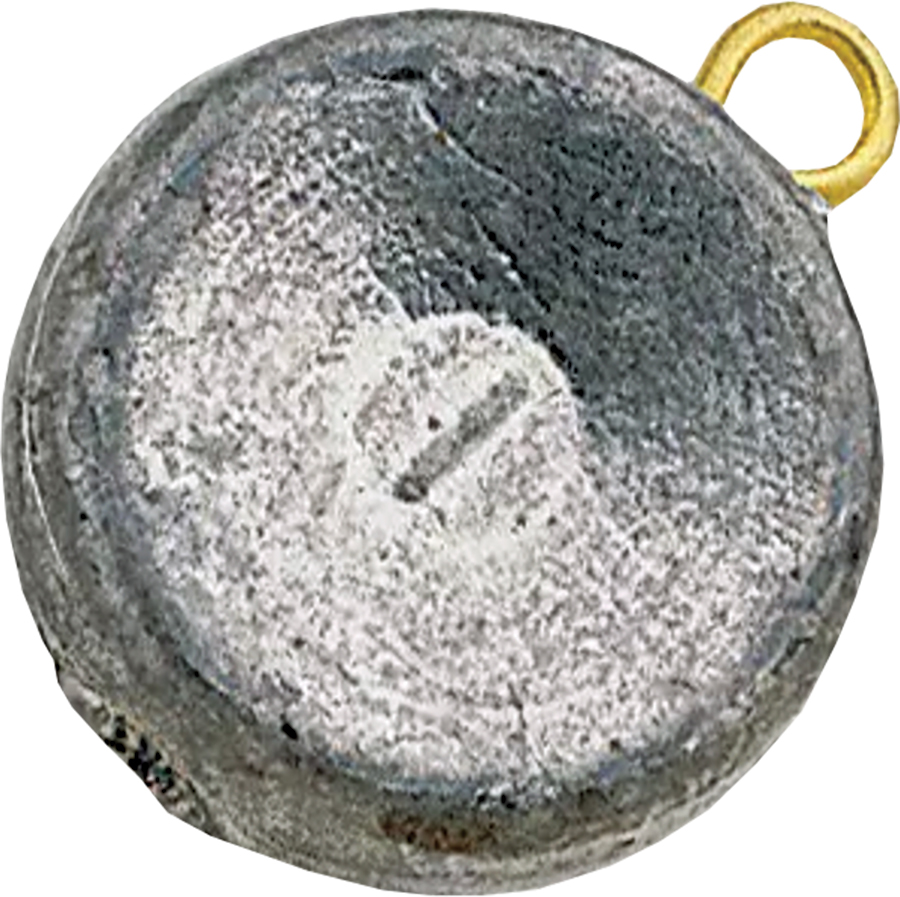
Used to keep baits on the bottom in areas of structure. The sinker is placed above or below the hook(s) and planes up off the bottom on the retrieve.
Used to keep baits on the bottom in areas of structure. The sinker is placed above or below the hook(s) and planes up off the bottom on the retrieve.
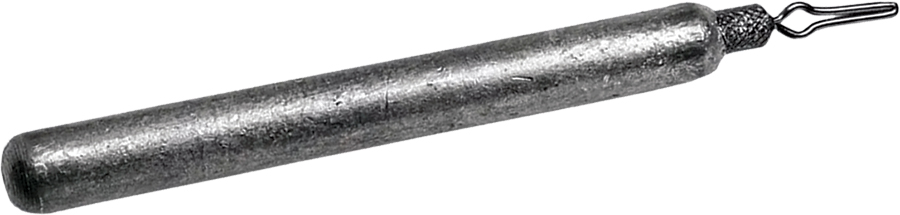
Pencil
Used for snag-free drift fishing along the bottom as well as an end-weight for drop-shotting.
Used for snag-free drift fishing along the bottom as well as an end-weight for drop-shotting.

Weights attached to clips are popular among trollers who want to change weights often.
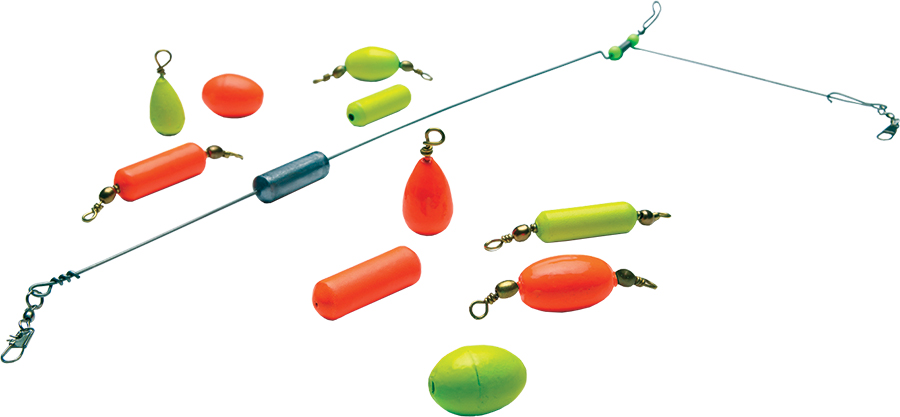
Sinkers are available in colors to help attract attention to the bait as well as keeping it down in the strike zone.
Unleaded
At the time of this writing, due to concerns of their effect on wildlife that may ingest sinkers, the sale of lead fishing weights weighing one half ounce or less has been banned in New York and Vermont. Massachusetts’s Fisheries and Wildlife Board, Maine’s SB 268 (2013), and New Hampshire’s SB 89 (2013), have all banned the use and sale of jigs and sinkers weighing one ounce or less. Tungsten is the most popular alternative to lead in fishing weights and jigs and is widely available.

Stingray 191DC Dual Console Deck Boat

I’ve spent significant time aboard Stingray deck boat models over the years, and was always pleased with the quality, performance, comfort and options that include key fishing features. With the 191DC, you get the deep cockpit and bow areas, interior room and storage space of the popular 182SC Deck Boat, but with a full windshield to shield you from the wind. The boat is outboard-powered for ease of maintenance and offers large swim pods flanking each side of the engine for easy boarding.
Standard features include the Z-Plan hull with a limited lifetime and three-year blister protection plan, backlit instruments and circuit breakers, 1100 GPH auto/man bilge pump, cooler/storage box with overboard drain, dash accessory 12-volt plug, dual USB ports, floor storage, multi-step aft ladder and no-feedback steering.

If you add the optional fishing package you net a removable trolling motor mount, harness, plug and fishing seat on the bow, and an extra pair of stainless steel rod holders, creating a formidable fishing platform from which to pitch your choice of lead.
Specifications
- Length:19’ 1”
- Beam:7’ 6”
- Weight:2,000 lbs.
- Capacity:9 people/2025 lbs.
- Fuel Capacity:21 gals.
- Max HP:115hp
stingray
www.stingrayboats.com
www.stingrayboats.com