

All of this freedom is possible with a boat trailer. When you’re not confined to a single marina, your vantage points are only limited by as far as you’re willing to drive. To help with the many considerations to make when purchasing a trailer and the technical aspects of towing, launching, and loading with a trailer, I’ve culled my favorite pointers to help those new to boating.
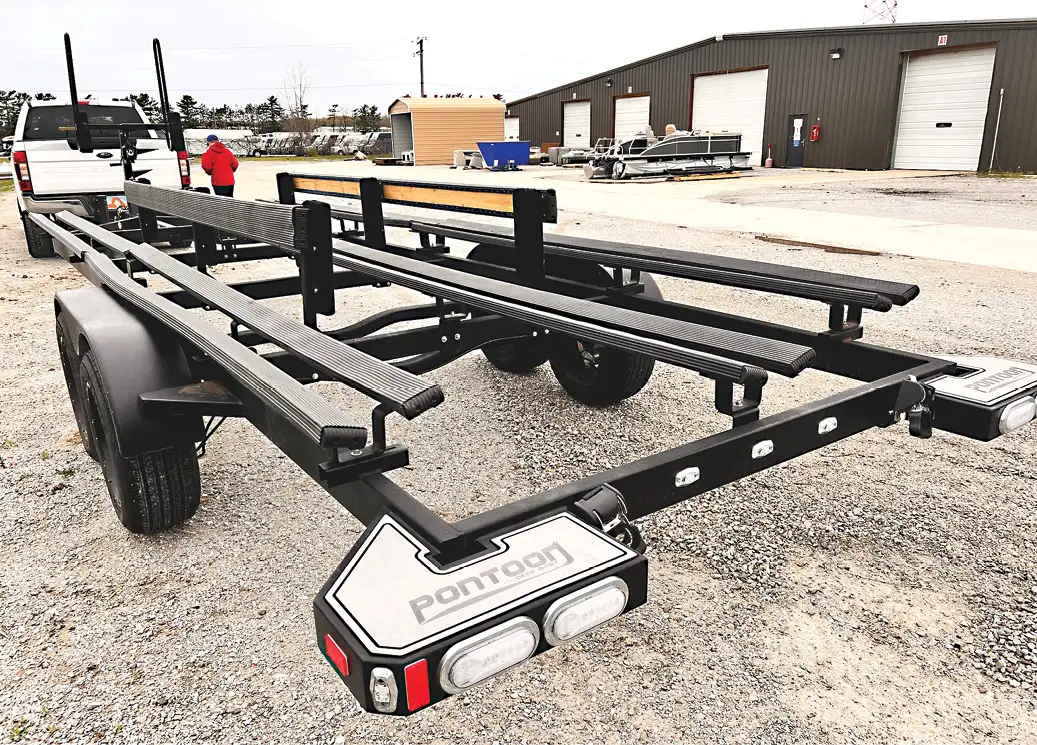
Buying a high-quality trailer will save you money in the long run because you’ll avoid breakdowns from inferior equipment. When purchasing a trailer, research load capacity and remember to take into account not only the weight of the boat, but the motor and equipment as well. A boat should be evenly supported across the hull, and should fit with a tight tolerance between the hull and trailer.
Roller trailers are suited to V-shaped hulls, and ideal for deck boats. Instead of parallel boards, roller trailers have a series of small wheels that support the boat and allow it to easily roll on and off the trailer. Roller trailers offer more launching flexibility, require less water to launch, and can work at undeveloped boat ramps or even right off the bank.
Steel trailers are best suited to fresh water and offer greater stability than aluminum but are also much heavier to tow. Both powder-coating and galvanized finishes will guard against rust and corrosion.
Aluminum trailers are corrosion-resistant and can handle saltwater marine environments. They are lightweight and offer easier maneuverability and better fuel efficiency. However, they are more expensive than steel trailers.
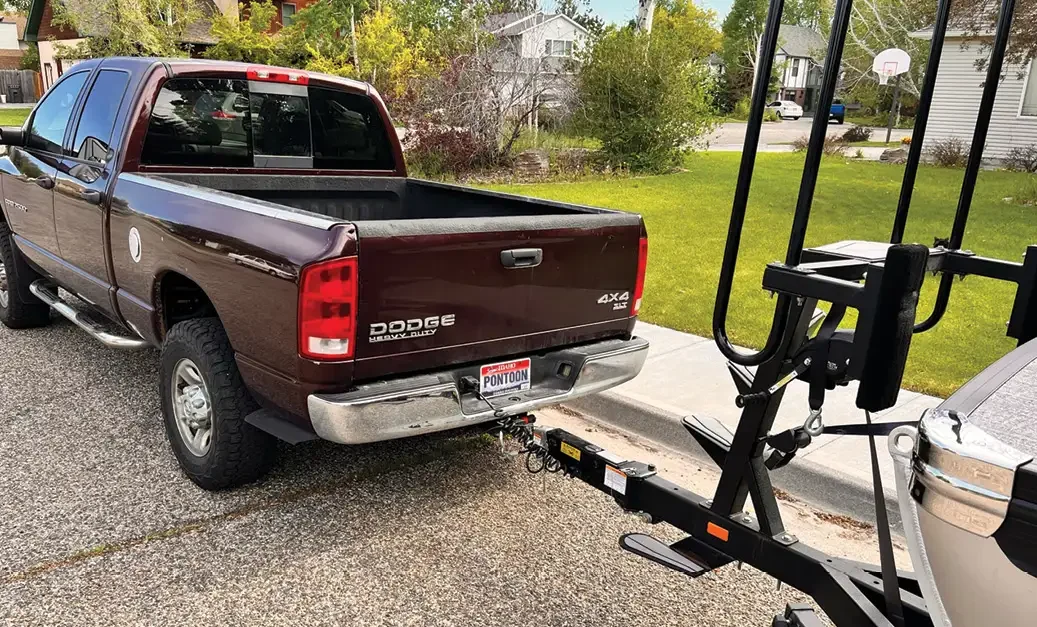
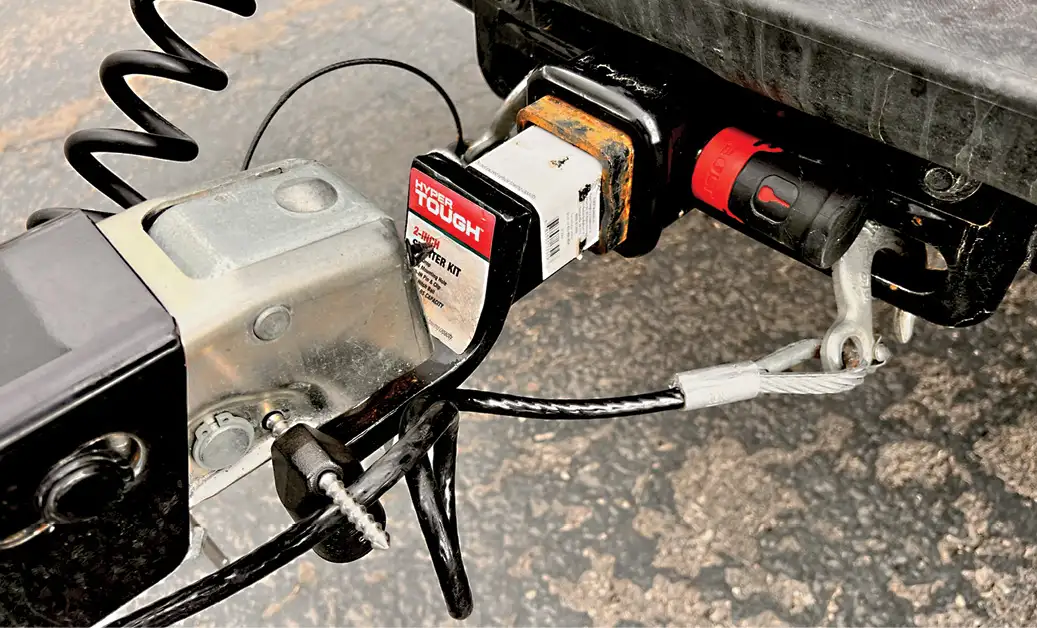

For the perfect balance, remember to consider the weight of gear inside the boat as well, such as water skis, wakeboards, ropes, or anchors. Try to stow most portable cargo such as coolers in the towing vehicle. For items that must be transported inside the boat, distribute their weight evenly and be sure everything is secured or tied down.
For the perfect balance, remember to consider the weight of gear inside the boat as well, such as water skis, wakeboards, ropes, or anchors. Try to stow most portable cargo such as coolers in the towing vehicle. For items that must be transported inside the boat, distribute their weight evenly and be sure everything is secured or tied down.