


shopping for marine audio
“Durability starts with designing products specifically for the marine environment, not adapting car or home audio for use on the water,” said Nate Kubicz, product specialist with JBL. “Marine systems must withstand constant exposure to moisture, UV radiation, salt air, vibration and temperature swings.”
Added Jeremy Bale, brand manger for KICKER Marine Audio, “Product material selection and design intent matter most. UV-stable materials, corrosion-resistant components, and proper sealing are key.”
Experts agree, you need to make sure the system you purchase has been tested specifically to withstand these tough elements. Dave Dunn, Garmin’s senior director of marine & RV sales said, “For example, Garmin/Fusion/JL Audio exceeds international standards for salt fog and UV exposure as well as being built to withstand the harsh saltwater conditions.”
Kubicz added, “On the water, sound quality isn’t just about volume. It’s about delivering clear mids and highs that cut through wind and engine noise at speed, while staying smooth and distortion free in open air conditions.”
Bale agreed that it’s important to focus on proper power, balance, and clarity over volume alone. The KICKER rep said, “Loud is easy. Loud and accurate is where the real work happens. Systems that primarily deliver top-end volume without control or clarity will sound harsh and become tiring to listen to. Proper tuning, adequate power, and thoughtful speaker placement all work together to create sound that stays clean and enjoyable at any level.”
Modus Director of Brand Marketing Rachel J. West said, “The goal is clarity and consistency at all volumes, not just peak output. A balanced system design with clean, efficient power, well-matched components, and proper tuning matters more than any single product.”
One of the most important features for good sound quality according to our panel of experts is speaker placement, since the sound has to overcome the noisy environment out on the water. Lee Teeples, VP of product development at Wet Sounds said, “Considerations for this could be distance from speakers, number of people expecting to enjoy the music, and speed the boat is moving, which introduces high levels of ambient noise that can be a challenge to compete with.”
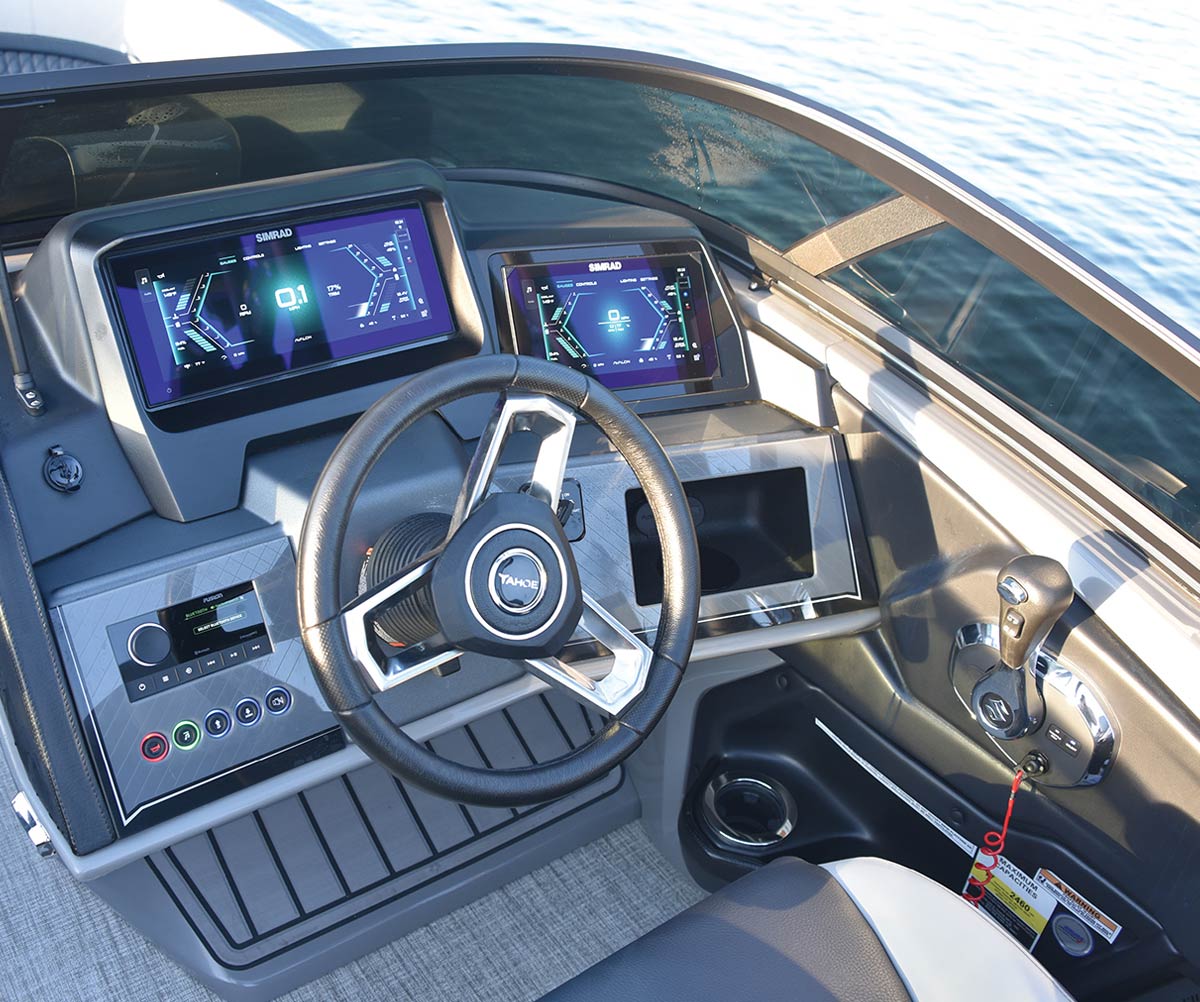
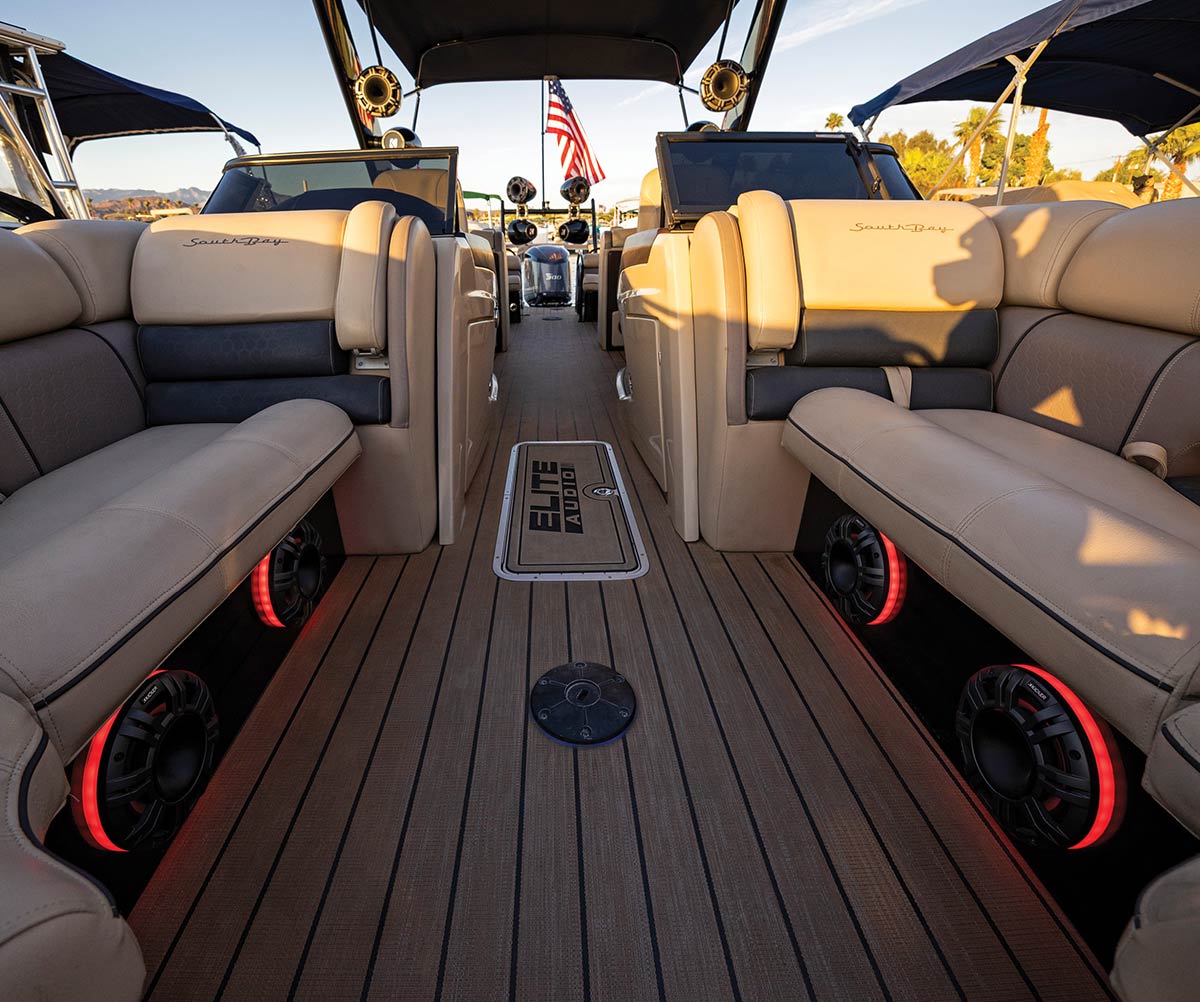
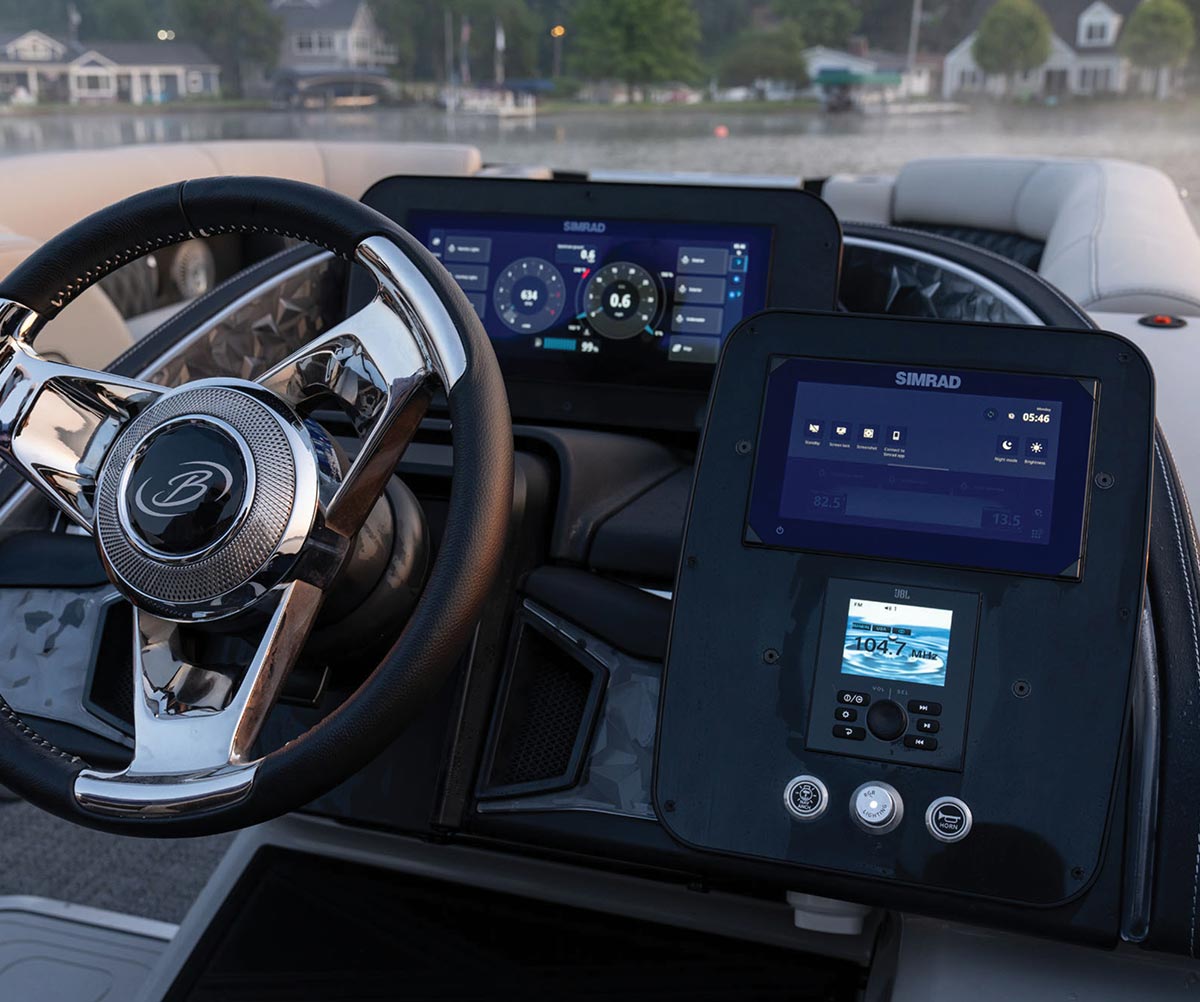
“Amplifiers will drive more power to the speakers than a standard stereo will, so you can get the full benefit of the speakers,” said Dunn.
A subwoofer, on the other hand, is responsible for low-frequency impact.
“Subwoofers add fullness and depth you can physically feel,” explained Kubicz. “In marine environments, bass helps anchor the music and keeps it from sounding ‘empty’ in open air.”
The magic happens when the two work together. Bale explained further, “The amplifier provides the power that the entire system needs to operate properly. The subwoofer adds depth, the foundation for quality sound that is noticeable when not available.”
Another factor to consider is ease of use. Teeples explained, “This could mean, how does the volume work with your mobile device, how fast does it boot up, how easy it is to adjust different zones, etc. The point is to touch the source unit less and enjoy the music more.”
Bale was quick to remind buyers to also consider zone control. He said, “On a boat, the ability to manage different listening areas and have control at the touch of a button or knob in a harsh environment matters more than having every possible feature.”

Added Bale, “Matching the speaker to the space and how the boat is used is critical. Adequate power, placement, size, and speaker count all play a role.”
Another important consideration is where the speakers are located on your boat. Kubicz explained, “Choosing the right speakers starts with location and purpose. Different areas of the boat have different acoustic demands. Most importantly, listen to the speakers first. Speakers are like flavors of ice cream. Not all will fit your palate.”
Teeples agreed that location also matters. He suggested that if you have speakers that will be mounted low such as below the seats, then you should choose a speaker that has a “brighter” sound as you will need that additional boost. If your speakers are mounted closer to ear level, he suggested you choose a more neutral sounding speaker.
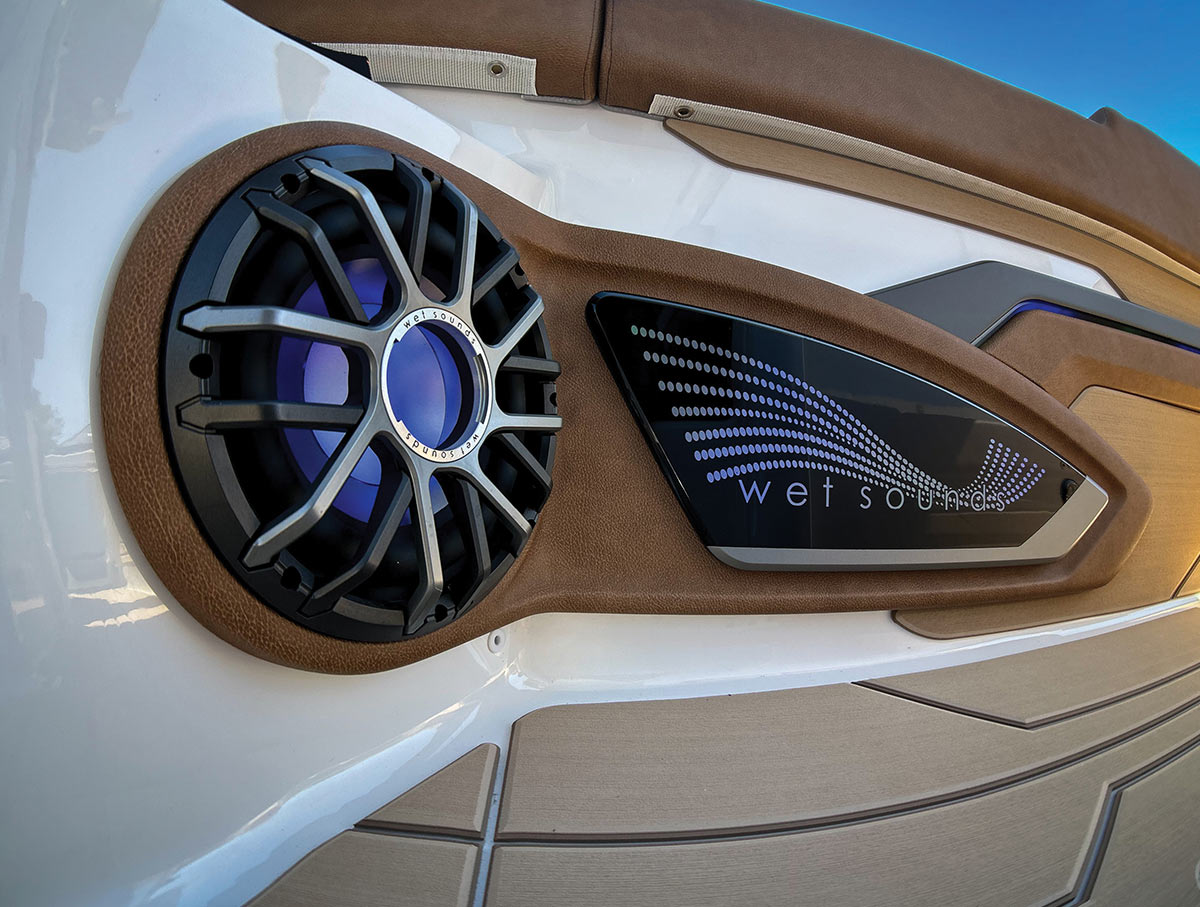
“Generally, my go-to is to mount the largest most powerful free-air sub at the helm, firing into the driver’s feet,” said Teeples. “However, if this is not possible due to surface area or other obstacles, you may use a subwoofer in an enclosure that fits in a compartment. But be careful: if it is in a compartment that isn’t well ventilated, you could lose a lot of output and/or generate some unwanted rattles. So, understanding location and application is key.”
Efficiency and tuning also play a major role in overall performance. “Higher sensitivity speakers can deliver greater output with less power, helping maintain clarity and reduce strain on the system,” said Kubicz. “Just as important is overall balance. Great sound comes from how speakers, amplification, and tuning work together, not from any one component alone.”
—Nate Kubicz, product specialist with JBL

Dunn advised the importance of running the correct wire size. “You can potentially limit and/or cause safety hazards if the wiring is not done correctly,” said Dunn. “It is also important to make sure you have enough power to drive the system. We recommend professional installation so that you get the full experience as well as take advantage of features like DSP, (Digital Signal Processing) which maximizes the system for optimal performance.”
A common thought among our experts is for consumers to weigh the pros and cons of doing the installation themselves or hiring a professional.
Teeples advised, “If you are a do-it-yourself type, understand that because there are so many considerations, it can be an experimental project. Research and get reviews from people with similar boats and speaker locations first. When seeking professional installation, look for the guy who has the most referrals and take their advice.”
Bale noted that it’s rare for an amateur to install the perfect system. He stated, “Plan the system as a whole. Think through power requirements, wiring paths, mounting locations, and future expansion. A clean, well-planned installation will always outperform a system that’s added piece by piece. A few boaters can DIY a great system; most fall back on the expertise of their local dealer/installer.”
Kubicz concluded, “When in doubt, working with a qualified marine installer ensures the system performs as intended and lasts longer.”
www.jbl.com
www.garmin.com
www.kicker.com
www.modusglobal.com
www.wetsounds.com