


Another reason for the gain in popularity is the quiet and smooth operation. Electric motors are much quieter than internal combustion engines. This quieter operation creates a more peaceful experience on the water, ideal for nature lovers, fishing, and wildlife observation. It also means less noise pollution for those living near bodies of water.
Of course, lower operating costs appeal to many boaters as well. Electric boats generally cost less to run and maintain than traditional boats. Electricity is cheaper than gasoline or diesel, and electric motors have fewer moving parts, reducing maintenance and repair expenses. Over time, this can make electric boating more affordable.
The combination of environmental benefits, cost savings, performance, and quiet enjoyment makes electric boats increasingly attractive for recreational and commercial use. As technology advances, electric boats could become the new standard on our waters, blending innovation with sustainability.
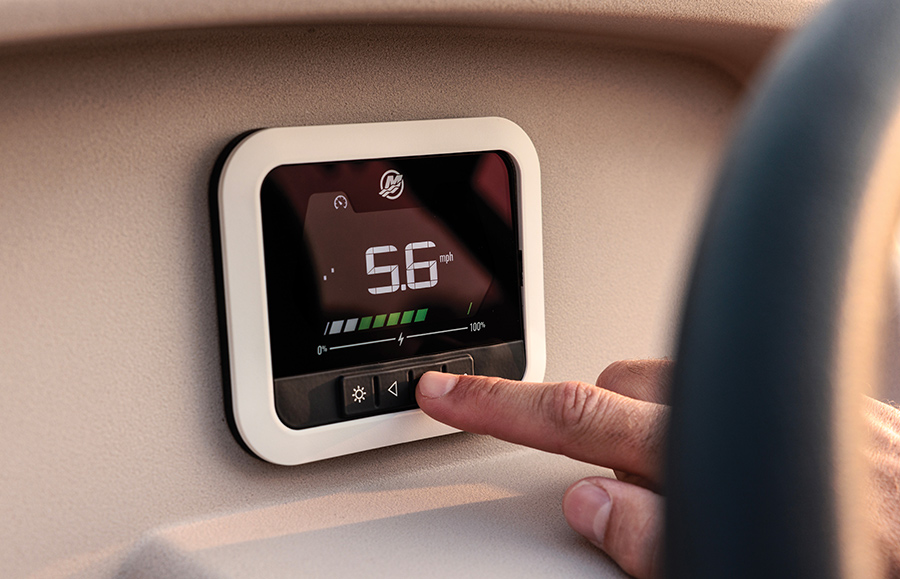
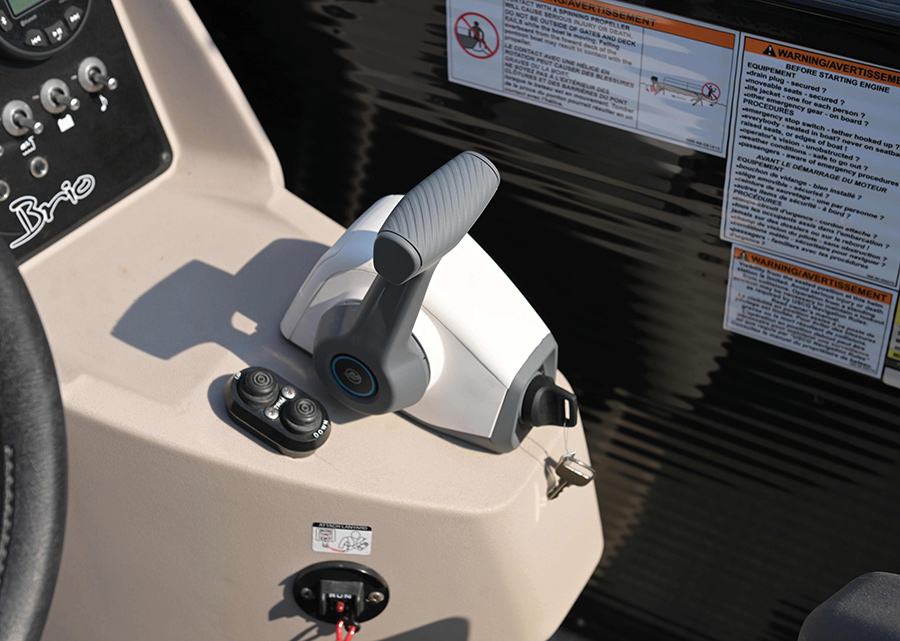
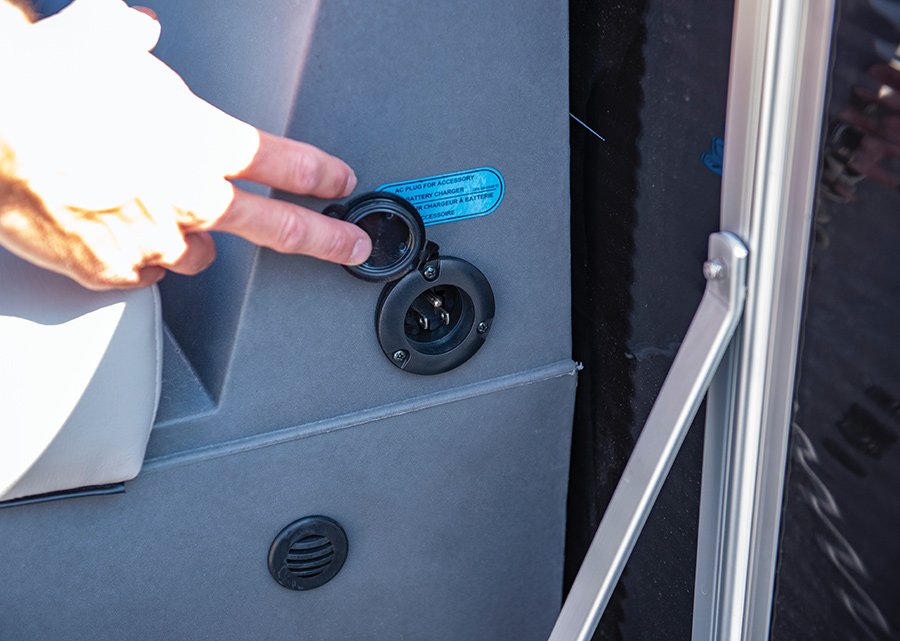
It didn’t take the Canadian-based manufacturer long to realize the demand for electric boats, and by the second year, it had expanded to offer two models: a 15-foot and a 17-foot pontoon. Today, the Brio series includes 17-, 19-, and 21-foot models as this lineup continues to evolve.
Built for long-term enjoyment, the keels and frames are made entirely from 5052-H36 aluminum alloy, known for exceptional strength, corrosion resistance, and durability. This ensures stability and longevity, even in varied conditions.
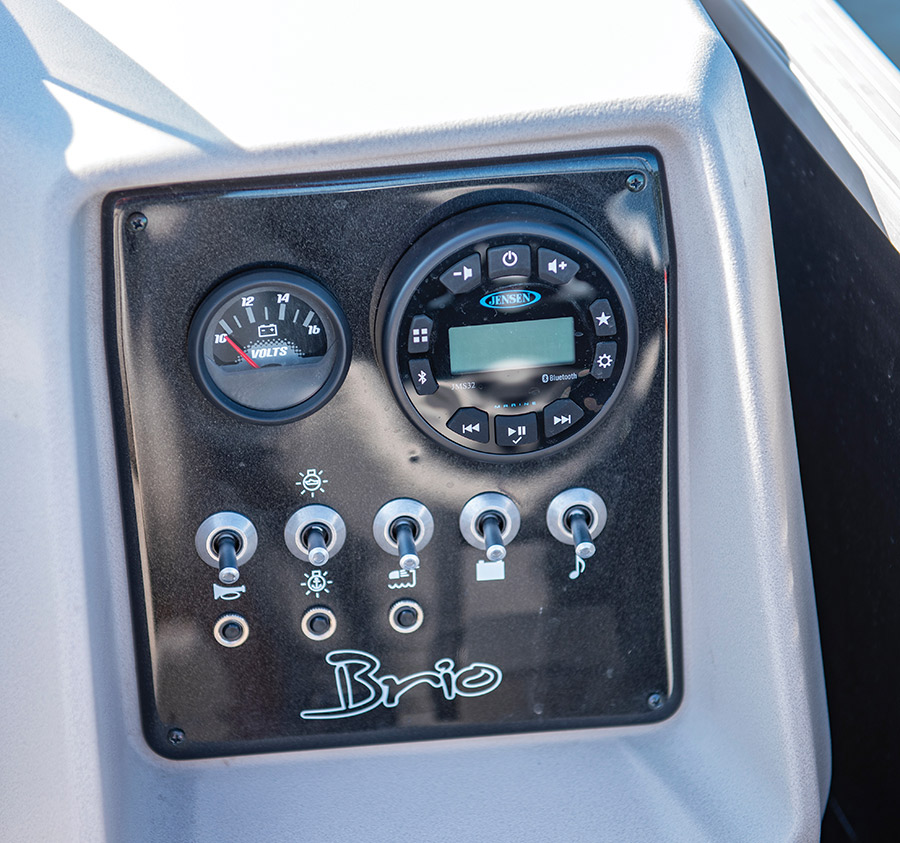
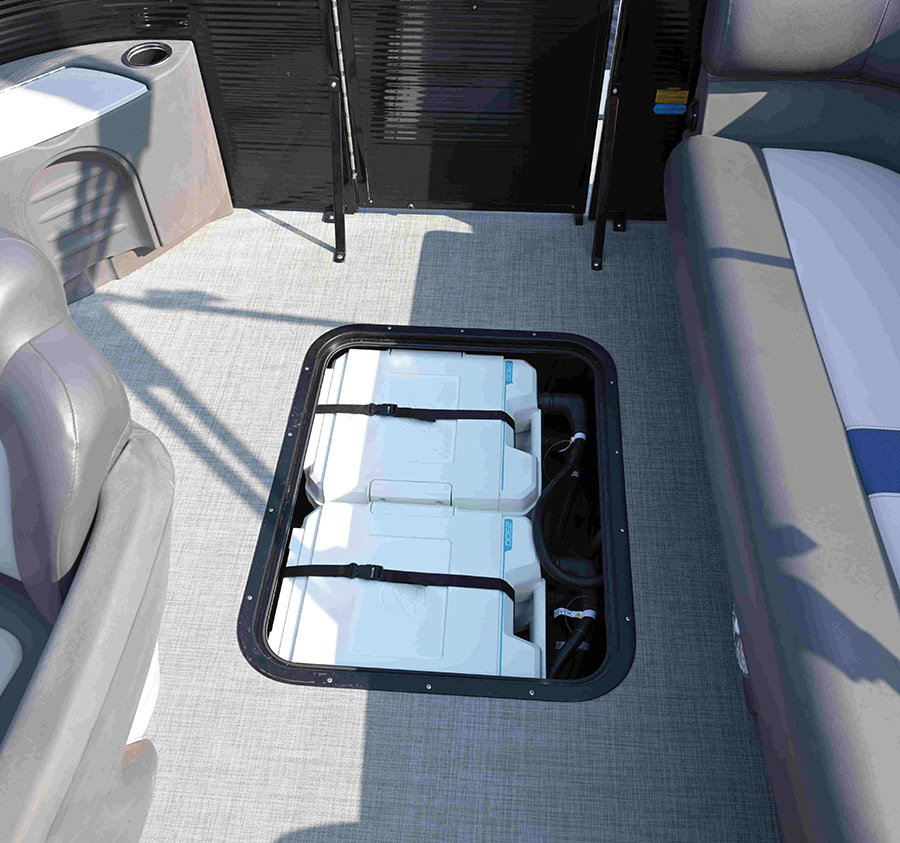
Rated for up to 9 passengers depending on the specific model, Brio offers plush upholstery, smart storage, and in-floor battery compartments. The walk-through layouts include bow, stern, and port gates that make boarding and exiting easy, with a stable swim platform and boarding ladder that enhances your water access. As for upgrades, you can opt for the “Concert Package,” which adds Bluetooth audio, LED lighting, device chargers, and a luxury captain’s chair.
“Being a Brunswick-owned company doesn’t significantly give us more of an advantage compared to other OEMs, but having access to Mercury’s Avator platform provides strong technical support from their team,” explained Jean-Philippe. “Previously, we used Torqeedo systems, which are still relevant today due to their attractive price point and compatibility with standard deep-cycle batteries, similar to a trolling motor, helping keep costs down. However, in terms of range and performance, lithium battery systems clearly offer advantages.”
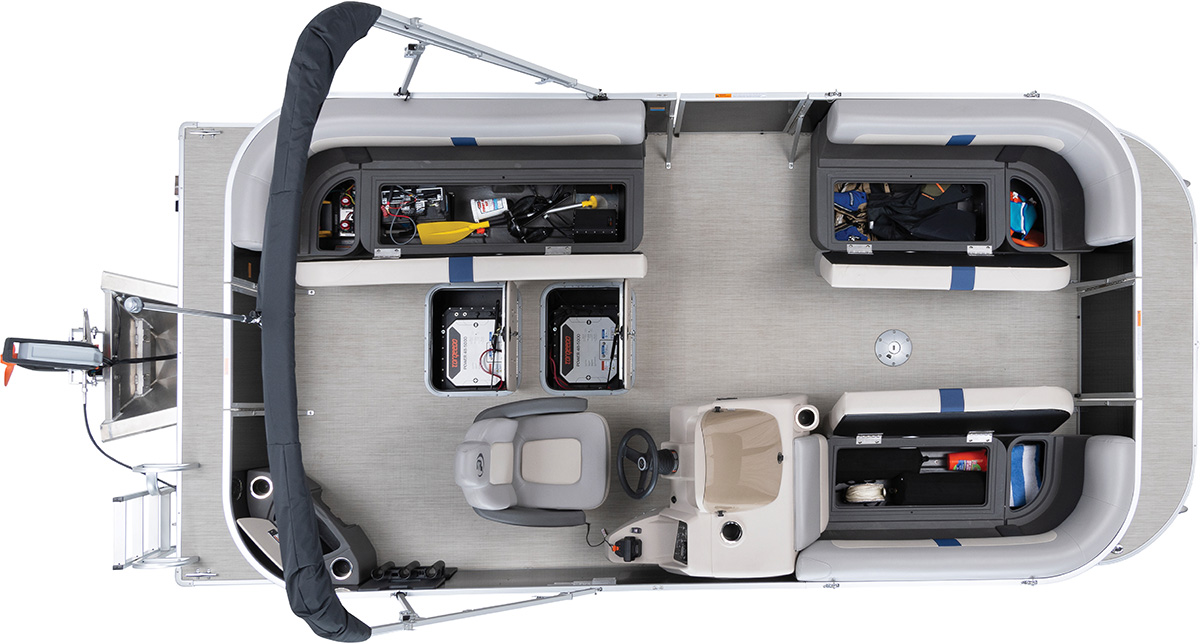
“Our targeted buyers for electric pontoons are primarily customers on regulated lakes, which are becoming increasingly common,” said Jean-Philippe. Additionally, as consumers grow more familiar with electric vehicles, they are more open to adopting electric propulsion on pontoons. However, it remains a niche segment, mainly suited for smaller bodies of water.”
The Brio e 19 has become Princecraft’s most popular electric model. From a size standpoint, it strikes the best balance, making it the go-to choice for most customers according to the manufacturer.
“The Brio was designed to be lightweight to maximize autonomy,” concludes the general manager. “Electric pontoons don’t experience the same stresses as models equipped with higher horsepower engines, but as customer expectations evolve toward more advanced features, this could lead us to explore different design approaches.”
www.brunswick.com
www.mercurymarine.com
www.princecraft.com